
Heritage stories
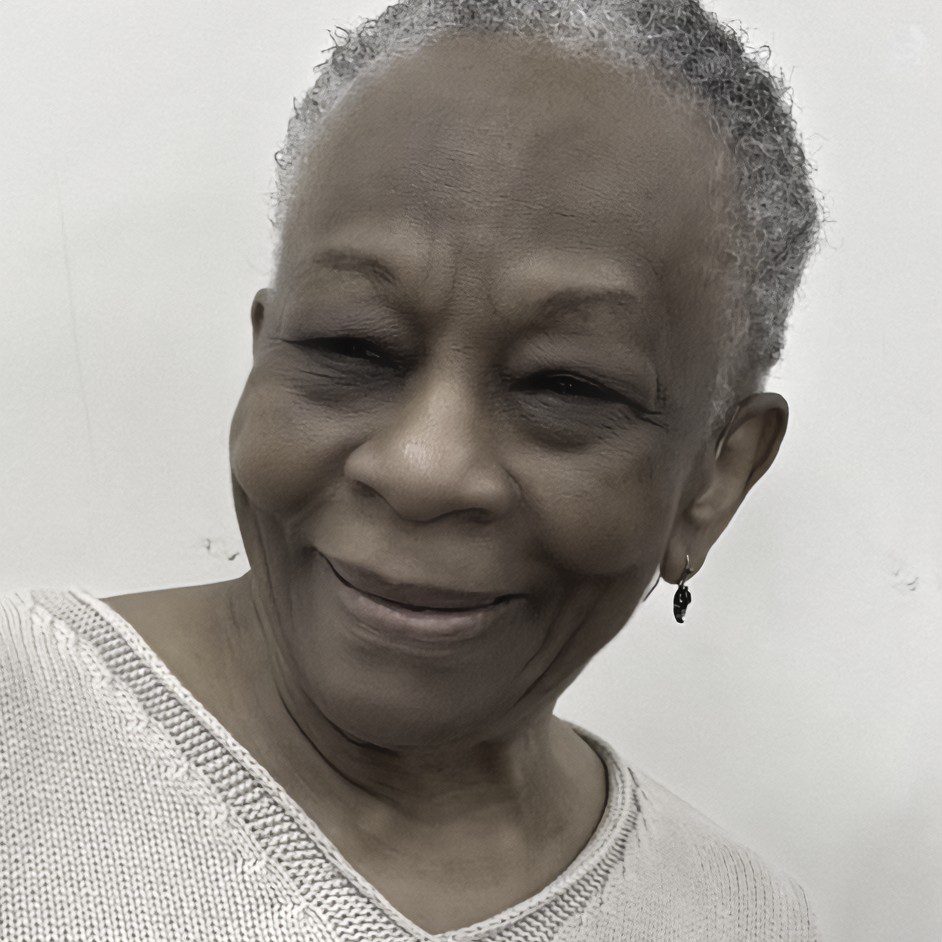
Joy Noble
Nurse, NHS · arrived from the Caribbean, 1961
Would you like this read to you? Just press play below.
Joy Noble was born on 2 March 1950 in Westmoreland, Jamaica. Like a very large number of children of the Windrush generation, she grew up separated from her parents who had migrated to England in the 1950s in search of work and improved living conditions. For many years she and her siblings were cared for first by a woman who treated them unkindly, and later by their maternal grandmother. During this long separation Joy possessed only one small photograph of her mother, the single physical link she had to the parent she had not seen since early childhood.
At the age of seventeen, in the late 1960s, Joy travelled to England to be reunited with her parents. The journey involved a stop in New York before landing in Britain. The reunion after twelve years was emotionally overwhelming and disorientating; she barely recognised the woman who met her because the photograph she had treasured no longer matched the person in front of her. She arrived to find a large family she hardly knew — two younger sisters who had come to England earlier to complete their schooling, and five little brothers born in Britain whom she had never met. The physical environment also felt alien: a small house heated by a smoky coal fire, a cold grey climate, and a whole way of life very different from the Jamaica she had known.
Although she had not originally planned a nursing career, shortly after arrival her mother told her it was time to start work and contribute financially to the household. Nursing appeared a natural choice because Joy had always been drawn to caring for people. Her first attempt to enter training at the Royal Hospital in Wolverhampton was unsuccessful — she was considered too young. She then approached Burton Road Hospital in Dudley where the matron was impressed by her strong command of English, good general knowledge and courteous manner. She was accepted and soon began the two-year State Enrolled Nurse (SEN) training programme, spending three days a week working on the wards and the remainder in the training school.
During her training and early working years Joy worked alongside nurses from many different backgrounds, Black, Asian and Caucasian. Some colleagues were exceptionally kind and supportive; others made openly hurtful racist remarks that were painful enough to drive her to tears in the toilets on several occasions. Patients could also present challenges. Some were openly curious or intrusive about her skin colour and hair, with one elderly man repeatedly wanting to touch her hands and hair. Joy learned to handle these situations with a combination of quiet dignity, a smile and gentle humour. Her excellent command of standard English, the result of a very good Jamaican education, frequently surprised people who held lower expectations of her. Many senior nurses and the matron recognised her ability and gave her encouragement and practical support.
Joy’s father, who had been a tailor in Jamaica but took factory work in England for better wages, gave her one piece of consistent, pragmatic advice: “Always stay a little bit ahead of them, so they can’t say you’re not good enough because of your colour.” She took this guidance seriously and worked conscientiously throughout her training and subsequent career.
After she married and had two children, Joy left full-time hospital nursing to care for her young family. Many years later, when she considered returning to nursing, she found that re-entering the profession was more difficult than she had anticipated. She eventually retired from paid work in 2017 at the age of 67, partly so she could support her husband who was living with serious heart problems.
Looking back, Joy speaks of both the warmth and the difficulties she experienced: the kindness of many colleagues and the painful sting of racist remarks, the gratitude of some patients and the uncomfortable curiosity of others. Throughout her working life she carried her father’s practical advice and the quiet strength and dignity she had brought with her from Jamaica.
Joy Noble’s story is representative of a very large number of Windrush-generation women who arrived in Britain as teenagers or young adults, faced an often-cold climate and colder social attitudes, and still made a long-term, skilled contribution to the National Health Service. Her working life in nursing was not marked by spectacular public recognition, but by steady competence, grace under pressure, and a sustained commitment to caring for others despite the many obstacles she encountered.