Our Heritage
Of Caring
Of Caring
Perspectives revealing how cultural heritage, resilience and community values shaped the work ethic of Caribbeans working in the NHS

Perspectives revealing how cultural heritage, resilience and community values shaped the work ethic of Caribbeans working in the NHS
Perspectives revealing how cultural heritage, resilience and community values shaped the work ethic of Caribbeans working in the NHS
Perspectives revealing how cultural heritage, resilience and community values shaped the work ethic of Caribbeans working in the NHS


The new NHS promised healthcare for all, but it immediately faced a crisis. Tens of thousands of nursing vacancies threatened its ability to function. Britain urgently needed workers, and it turned to the people of its Caribbean colonies, whose labour had long been exploited to enrich the empire.
Throughout the late 1940s and 1950s, the British government, the Colonial Office, and professional nursing bodies launched targeted recruitment drives across the Caribbean.
Advertisements appeared in local newspapers, British officials travelled to islands such as Jamaica, Trinidad, Barbados, and St Kitts, and training schemes were created to bring young Caribbean women and men to the UK.
This recruitment was not simply an act of opportunity, it was rooted in Britain’s reliance on its colonies for labour, a legacy of colonial underdevelopment that left many Caribbean people seeking new prospects abroad.
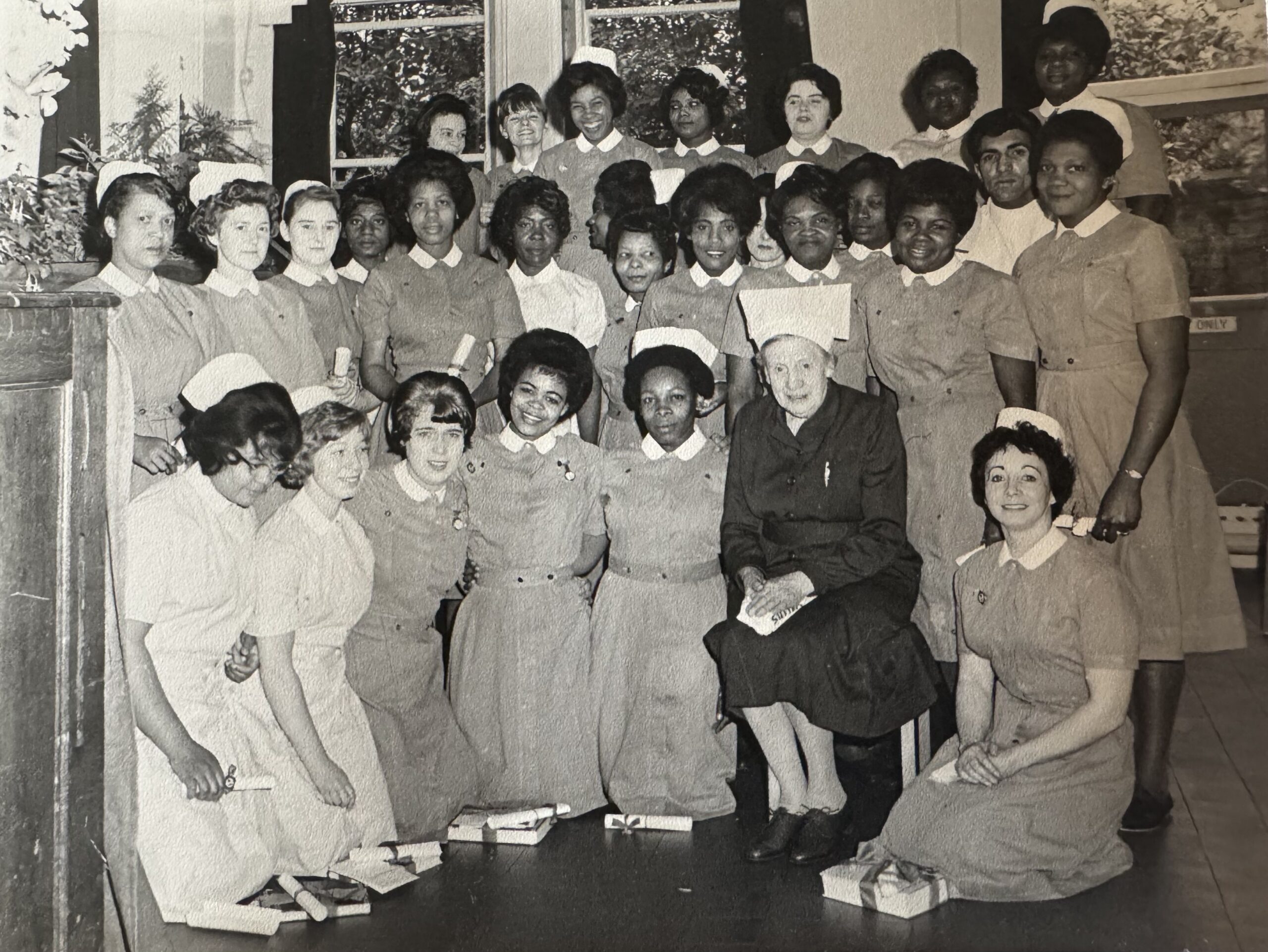
By the mid 1960s, thousands of Caribbean nurses, auxiliaries, and trainees were working in British hospitals.
Jamaican women alone numbered nearly 5,000, and by 1977, Caribbean recruits made up two thirds of all overseas student nurses and midwives in the UK.
They were essential to the NHS at a time when the service struggled to meet the needs of an ageing population, rising chronic illness, and the long-term effects of war.
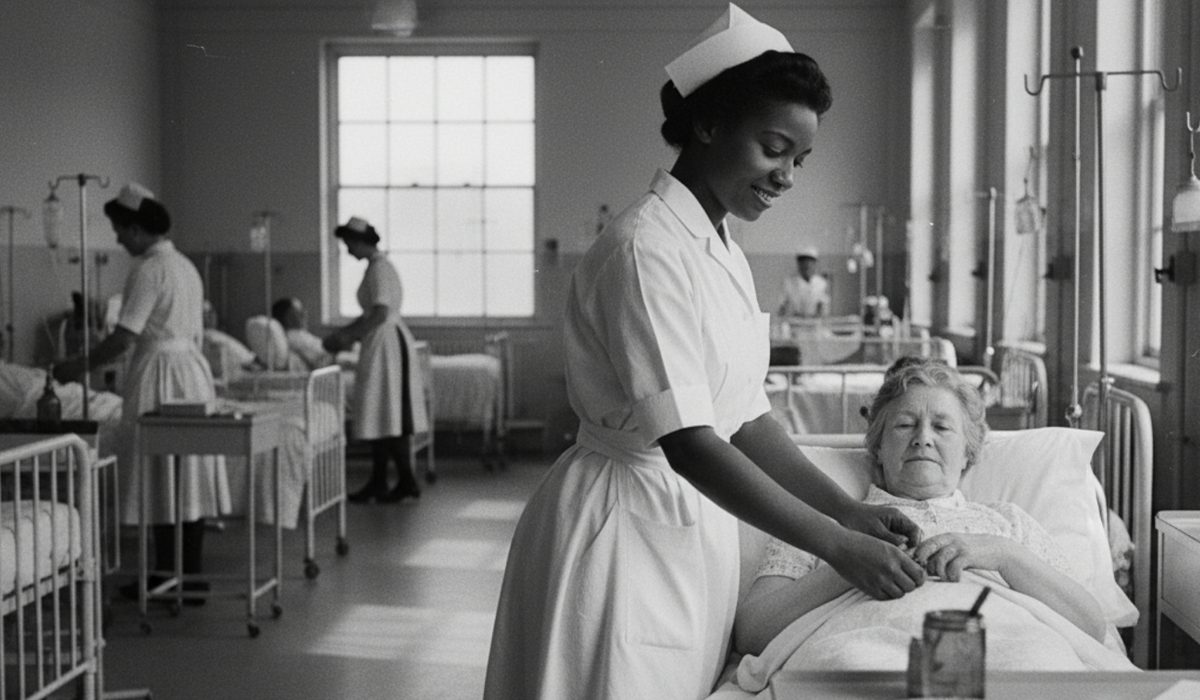
Yet their journey was far from easy. Many Caribbean nurses were channelled into the least desirable and most demanding areas of care—geriatric wards, psychiatric hospitals, long stay institutions, and services for disabled or chronically ill patients.
These were areas facing the greatest staff shortages, and they offered limited opportunities for career progression. Despite their qualifications, many were denied access to senior roles or specialist training, facing prejudice from colleagues, patients, and the wider society.
Still, they persevered.
Their strength came not only from professional ambition but from deep cultural traditions of care, community, and faith.
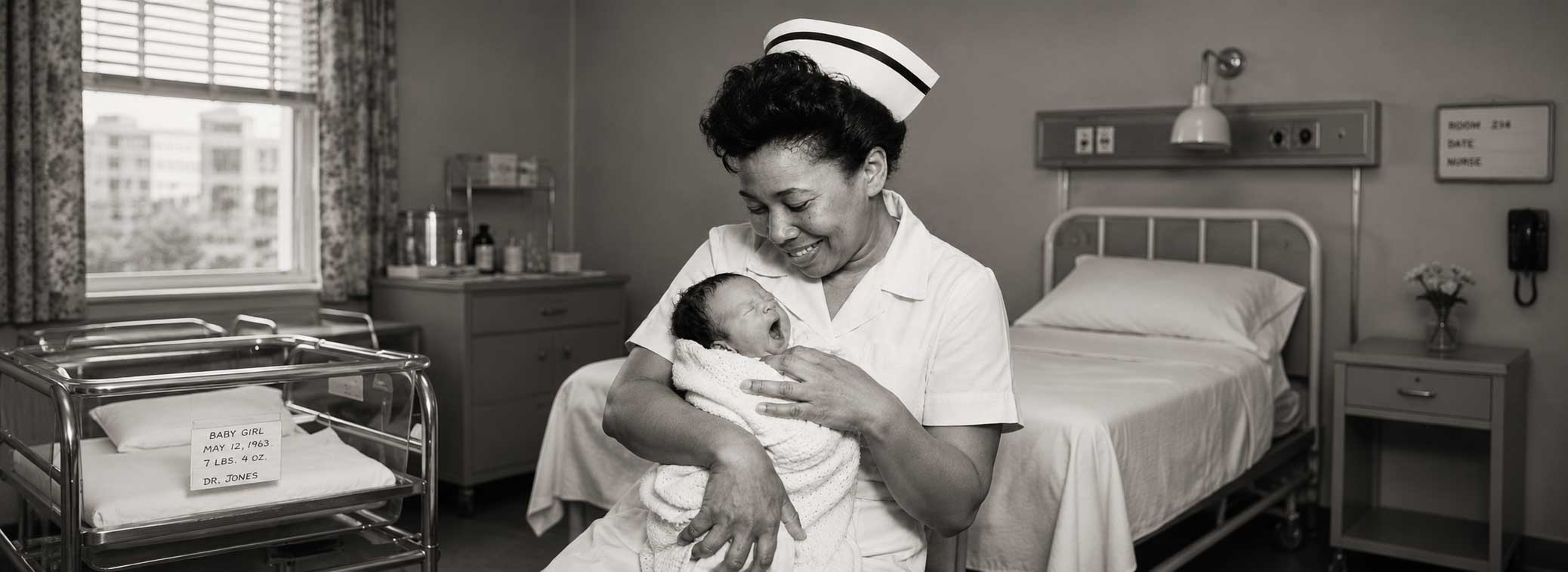
Caribbean family life, church teachings, and stories such as the Good Samaritan instilled values of service, compassion, and responsibility for others.
These values travelled with them across the Atlantic and shaped their approach to nursing in Britain. Their calm resilience, dignity, and commitment to their calling helped stabilise the NHS during its formative years.
The Windrush generation and their descendants helped transform the NHS into the institution the nation cherishes today.
Their contributions often overlooked and sometimes undervalued were foundational. They cared for the sick, comforted the elderly, supported people living with trauma, and upheld the NHS through decades of change.
Our Heritage of Caring honours these pioneers. It preserves their stories, celebrates their achievements, and recognises the hardships they endured to build a health service for everyone.
Their legacy is not only one of labour, but of love, courage, and an unwavering belief in the power of care.
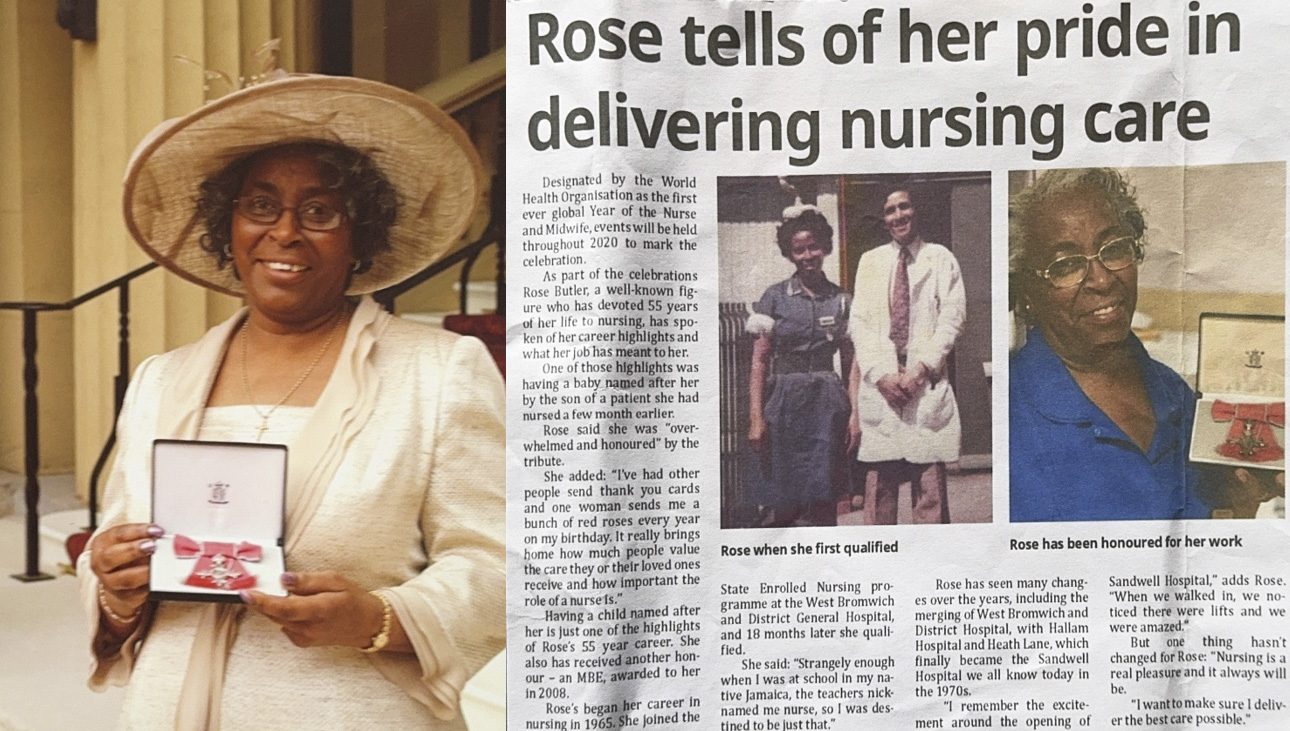
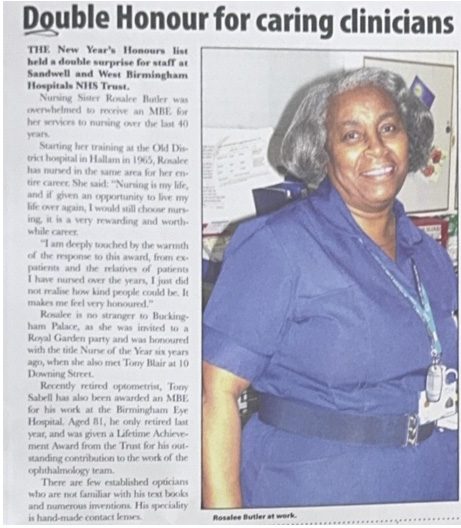
The award reflected not only her outstanding clinical care but also the deep respect she commanded across West Bromwich Hospital, where she became known for treating every patient with dignity, warmth, and humanity.
Rosalee’s excellence brought national recognition, including invitations to Buckingham Palace and 10 Downing Street, where she spoke candidly about the barriers faced by Black nurses and the lack of opportunities for promotion despite their experience and dedication.
Yet she always remained humble, describing nursing as her vocation and finding her greatest satisfaction in the relationships she built with patients and colleagues.
Her story is also reflective of the experiences of many Caribbean nurses who came to Britain during and after the Windrush era. They brought with them strong traditions of service, respect for others, faith, and community responsibility—values that shaped their approach to nursing and became central to the care they provided.
Despite encountering racism, limited career progression, and professional barriers, they remained committed to serving others with dignity and compassion. Rosalee’s life stands as a powerful testament to this generation of nurses, whose resilience and commitment helped build the modern NHS while leaving a lasting legacy of excellence in care.