Heritage stories
Yvonne Sheldon
Nurse, NHS · arrived from the Caribbean, 1961
Would you like this read to you? Just press play below.
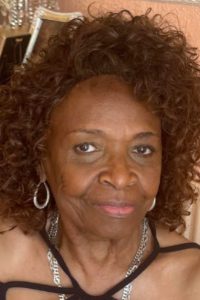
Yvonne Sheldon was born in Jamaica, most likely in the early 1940s, into a family that placed a high value on discipline, respect, cleanliness, and personal pride. Her father served as a police chief, while her mother worked as a skilled sonographer and calligrapher. Raised as a Methodist in Kingston, Yvonne attended church regularly, where her mother sang in the choir. The household enjoyed relative comfort compared with many in Jamaica at the time, which later contrasted with the assumptions she encountered in England that all West Indians came from conditions of extreme poverty.
In December 1962, the year Jamaica gained independence, Yvonne migrated to England as a teenager to join her mother, who had arrived earlier during the Windrush era of the 1950s. Unlike her mother’s sea voyage, Yvonne travelled by aeroplane. She arrived with realistic expectations rather than romanticised notions of England, yet the reality of cold weather, coal fires for heating, and the absence of familiar foods such as yams and fresh fish proved a significant adjustment. She settled in Wolverhampton, where her mother lived, and soon entered nursing a career path she had not specifically planned but one that offered clear opportunities within the expanding National Health Service.
Yvonne began her nursing career at the Wolverhampton Eye Infirmary, undertaking a two-year training programme in ophthalmic nursing. She also completed SEN training in Infectious Disease, Occupational Health, and Orthopaedic Nursing. The training environment was highly disciplined, with nurses required to live in hospital accommodation and adhere to strict rules, including a 10:00 p.m. curfew. After a brief period working in a West End dress shop in London where she used her sewing skills to make skirts for £50 each – she returned to Wolverhampton at her mother’s urging and pursued general nursing training through the Dudley Group of Hospitals. This included placements at Guest Hospital, Burton Road Hospital, Wordsley Hospital, and Corbett Hospital, with rotations across surgical, medical, and other specialties that provided a comprehensive clinical foundation.
Her subsequent career spanned several NHS settings and a private institution. At the Queen Victoria Nursing Institute in Wolverhampton, she faced overt racial prejudice; one patient refused care from “black hands” and told her to “go back to your country.” A supportive nursing sister implemented measures to ensure Black nurses were not left alone with such patients. Later, while working at a Moseley hospital specialising in infectious diseases, Yvonne demonstrated compassion by caring attentively for an Indian patient who had been neglected by other staff, even supplying him with Nutriment drinks from her partner’s supermarket. When a prejudiced colleague falsely accused her of theft, her mother and the hospital manager intervened, exposing the accuser’s bias and defending her integrity.
Yvonne also qualified in occupational health nursing after completing a diploma in Birmingham, though she found subsequent ward work at Manor Hospital less satisfying due to persistent patient rudeness and prejudice. Throughout her years in the NHS, she encountered a range of ignorant and racist attitudes: patients questioned whether her “blackness” would rub off, asked why her palms were lighter, or even inquired whether Black people had tails. Yvonne responded to such remarks with confidence and wit, once countering a demand to “go back to your country” by asking the patient how proud they were of being white, which left them without reply.
Her contributions to patient care were marked by a strong emphasis on hygiene and thoroughness, values deeply rooted in her Jamaican upbringing. She taught colleagues effective cleaning techniques, such as thorough rinsing of dishes, and during a gastroenteritis outbreak, she and two other Black nurses were the only staff members who remained unaffected evidence of their rigorous standards. Patients frequently expressed a preference for Black nurses, appreciating the meticulous attention to detail; for example, Yvonne healed a woman’s discomfort by consistently washing and powdering sores with care and patience.
Beyond her nursing role, Yvonne displayed remarkable independence and adaptability. She often worked 60 to 80 hours a week and personally renovated her home without external assistance. Her faith, nurtured in childhood and reinforced through later challenges including surviving breast cancer remained a source of strength. In later years, she worked as a plumber’s mate for five years, eagerly learning new skills. Yvonne Sheldon’s experience in the NHS reflects the broader journey of the Windrush generation: migration to meet essential labour needs, confrontation with systemic and interpersonal racism, and a sustained commitment to compassionate, dignified care despite adversity. Through resilience, professionalism, and an insistence on mutual respect, she left a lasting and positive impact on the health service and the patients she served.