
Heritage stories
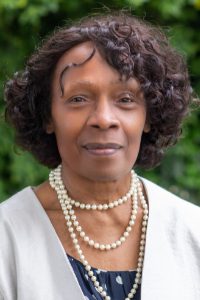
Sadie Brooks
Nurse, NHS · arrived from the Caribbean
Would you like this read to you? Just press play below.
Reverend Sadie Brooks was born in the Caribbean and arrived in England at approximately two years old, growing up and completing her education in Sheffield. She began her nursing career in Sheffield during a period when Black nurses were a small minority in the National Health Service. Training was challenging, marked by early hostility from some staff. One tutor explicitly questioned why Black students were pursuing training at all, suggesting they should be limited to auxiliary roles involving cleaning and washing up. Despite this prejudice, Sadie persisted, passed her examinations, and progressed through the ranks to become a ward sister.
Sadie genuinely enjoyed ward work and direct patient care, finding it far more rewarding than interactions with some colleagues. She described the atmosphere among patients as more positive: they appreciated her efforts, allowed for moments of laughter, and offered gratitude. In contrast, she encountered persistent racism among staff, which hindered promotion opportunities for Black nurses. Interviews were sometimes fair but often felt biased. She progressed nonetheless, later undertaking further training in midwifery, which she thoroughly enjoyed. She qualified as a midwife and worked on the neonatal unit, initially reluctant to handle fragile premature babies but quickly developing a deep affection for the role. What began as a required two-week placement became a long-term commitment.
Sadie advanced to sister on the neonatal unit and eventually became manager for a period, including two and a half years while covering for an absent manager. She conducted a research project with a consultant, focusing on the cost of neonatal care, which was published in a journal of neonatal services. She also established a community home service for premature babies, enabling earlier discharge once parents were trained to care for them at home. To develop this initiative, she spent six months at University College Hospital in London observing a similar service. She completed additional training in intensive neonatal care and research methodology at the University of Central England (UCE) in Birmingham, finding the academic work demanding but rewarding.
Throughout her career Sadie faced ongoing racism and lack of support. Some staff attitudes were dismissive or undermining, including incidents where colleagues made her feel insignificant during meetings or failed to value her input. She experienced stress and took periods of sick leave, including three weeks at one point, and underwent counselling through occupational health. She described feeling unsupported by senior staff and consultants in certain situations. Complaints about racism, such as those raised by an Asian doctor colleague, often went unresolved. Despite this, Sadie remained committed to the work, particularly enjoying the joy of seeing premature babies develop and supporting parents to gain confidence in their care.
Sadie combined her nursing role with further studies and church involvement. She pursued theology and other academic courses, driven by a desire for deeper understanding and satisfactory answers to questions raised in church settings. Her faith provided a haven and source of strength amid workplace challenges. She reflected on the difficulty of balancing persistence with the emotional toll of prejudice, noting that some colleagues’ attitudes might have been intended to discourage her from staying.
Sadie’s career in the NHS spanned neonatal care, midwifery, and management, including pioneering a community service for premature infants and contributing published research. Her journey reflects the experience of many Black Caribbean nurses who entered the NHS in the post-Windrush decades: overcoming overt hostility, subtle undermining, and limited support to deliver dedicated, compassionate care. Despite systemic barriers and personal stress, she took pride in her progress, the lives she touched particularly vulnerable babies and their families and her refusal to give up. Her story highlights resilience, professional excellence, and a commitment to care rooted in both personal determination and faith.