
Heritage stories
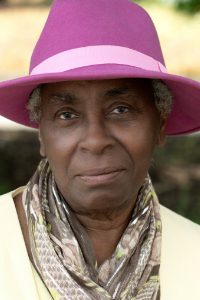
Rosalee Butler, MBE
Nurse, NHS · arrived from Trelawny, Jamaica
Would you like this read to you? Just press play below.
Rosalee Butler was born in Trelawny, Jamaica, and spent her early years on an estate raised primarily by her great-grandparents, whom she regarded as her true parents. Surrounded by cousins, she experienced a close-knit family environment that fostered a strong sense of belonging and resilience. She attended Troy School until the age of 12. Her mother, Matilda, lived in Kingston before migrating to England, and Rosalee formed a deeper attachment to her great-grandparents than to her biological mother. The supportive rural community and familial ties provided a foundation of stability and care that shaped her values and later approach to nursing.
In the early 1960s, at the age of 12, Rosalee travelled alone by aeroplane to England to reunite with her mother in Bearwood, West Midlands. The industrial landscape with smoky chimneys and terraced houses felt alien and confining compared with the open spaces of Jamaica. She described it as resembling a “boiling house” and initially longed to return home. Enrolling at Shireland Road Secondary School, she faced the challenges of cultural adjustment in an unfamiliar “mother country” that did not always live up to its promise.
After leaving school at 16, Rosalee briefly tried sewing but found it unfulfilling: the work involved repetitive tasks such as pinning and making buttonholes, which did not suit her. At 17 she joined West Bromwich Hospital as a cadet nurse, determined to pursue her ambition in healthcare. During the 1960s and 1970s, the NHS frequently restricted Black women to domestic or ancillary roles, explicitly discouraging them from general nursing training. Rosalee was steered towards the shorter State Enrolled Nurse (SEN) pathway and told she could not undertake Registered General Nurse (RGN) training a clear example of the systemic discrimination that limited opportunities for many talented Black nurses.
A significant breakthrough came through the support of Pauline Wareham, a white manager at West Bromwich Hospital who recognised Rosalee’s potential. Pauline encouraged her to pursue SRN status and helped arrange a shortened 12-month conversion course after years of SEN experience, bypassing the standard three-year programme. Rosalee specialised in general medicine and later spent seven to eight years in geriatrics, where she formed deep connections with patients. Her commitment to compassionate, hands-on care earned her widespread respect and laid the groundwork for a distinguished career.
Rosalee’s contributions to the NHS were widely recognised. In 1989 she was named Nurse of the Year and invited to the Department of Health in London, where she spoke openly about the barriers facing Black nurses. In 1990 she met Prime Minister Tony Blair at 10 Downing Street, who acknowledged that Black nurses were often “kept down on menial jobs for too long” and lacked promotion opportunities. She attended a garden party at Buckingham Palace, meeting the Queen and Prince Philip, and later received an MBE from Prince Charles. On that occasion she boldly requested additional tickets for her entire family an unprecedented request that was granted, with the Palace responding, “Very brave of you.” She also wrote a published review for her hospital’s 50th anniversary and developed patient-care guidelines that improved practice. A family from Newcastle named their granddaughter Rosalie in her honour after she cared for their relative, bringing the child to meet her as a gesture of gratitude.
Throughout her career, Rosalee encountered racism from some patients, including verbal abuse and false accusations, particularly from those with alcohol-related issues. She handled such incidents with composure, often supported by colleagues who intervened promptly. A physical injury sustained from a door while working with challenging patients tested her endurance, yet she remained dedicated. She was occasionally overlooked for promotion and performed unpaid managerial duties at times, but mentors like Pauline Wareham and surgeon Hugh Bradley provided consistent backing.
Rosalee married Mr Butler and enjoyed a 48-year marriage while raising sons who later joined her at Buckingham Palace events. Even after retiring, she returned to nursing voluntarily, only to be reinstated formally because her contribution was considered indispensable. Her farewell celebrations were attended hospital-wide, with surgeons, doctors, and nurses honouring her decades of service.
Reflecting on her career, Rosalee described nursing as her vocation: “This is my vocation. I would do it all again.” She expressed occasional regret at not pursuing formal training earlier when opportunities arose, yet she had no regrets about her journey or the choices she made. Humble and unassuming, she found deep satisfaction in patient care and the relationships she built. Her journey from a young girl in rural Trelawny to one of the most recognised nurses in the West Midlands exemplifies the resilience, compassion, and quiet determination of many Caribbean nurses who joined the NHS during and after the Windrush era. Despite systemic racism, limited opportunities, and professional barriers, Rosalee Butler made an extraordinary contribution through skilled, dignified care, leaving a lasting legacy in health