
Heritage stories
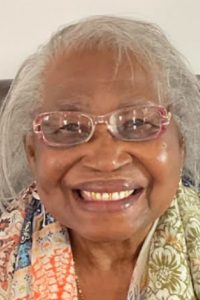
Lurline Burrel
Nurse, NHS · arrived from the Caribbean, 1961
Would you like this read to you? Just press play below.
Lurline Burrell (born 7 April 1929 in Clarendon, Jamaica) offers a reflective and resilient account of her migration and working life in the UK, culminating in a 16-year career (1973 — 1989) as a carer in the National Health Service (NHS), primarily in geriatric and medical wards. As the eldest of eight siblings, she grew up in a warm, close-knit family environment in rural Jamaica, attending Pindar Valley School until age 14 before training as a dressmaker a practical skill she valued highly and continued practising after migration. Her early life instilled values of duty, compassion, and adaptability, which proved foundational to her later roles in care.
In March 1955, at age 26, Lurline flew alone to England on British Airways to reunite with her husband, who had arrived by ship the previous year. The £80 fare represented a significant investment in a hoped-for better future, but arrival brought immediate disillusionment: harsh cold weather, damp and overcrowded lodgings in Dudley (a small, shared room costing £2 weekly, with basic facilities for multiple occupants), and the broader challenges of settling as a person of colour in the post-war Midlands. Initial expectations of England as a land of opportunity gave way to the realities of cramped living and limited prospects.
Her early employment in the UK mirrored many Windrush-generation experiences: continuing dressmaking at a tailoring firm (where she was often the sole Black worker, undergoing a cautious six-week trial) and briefly at a mill in Cannock, alongside short stints elsewhere. These roles highlighted isolation in workplaces and the practical demands of survival. In 1973, through a personal connection (an insurance contact), she transitioned into care work at a geriatric hospital on Stalling Lane in Sandwell. The physical and emotional demands lifting frail elderly patients alone, dealing with incontinence, and absorbing the ward’s pervasive odour proved overwhelming at first, leading to tears and her husband’s urging to leave.
Encouraged by an Irish colleague, Nurse Ewitt, Lurline moved to Wordsley Hospital where she worked on geriatric and medical wards (including A1, A5, and A6) until retirement in 1989. Despite the ongoing physical strain and occasional racist incidents from patients such as refusals of care with phrases like “Take your Black hands off me” or suggestions to “live in Birmingham where your people are” she maintained a composed, faith-guided approach, refusing to internalise prejudice. Supportive colleagues (including Mrs Ferguson, Mrs Hall, and Nurse Ewitt) provided kindness, shared festivities, and encouragement; some patients formed deep bonds, expressing preference for her care and offering personal gifts like travel souvenirs. She excelled in intimate tasks bathing those with skin conditions like psoriasis, comforting the dying in side rooms and took quiet pride in her competence.
Opportunities for formal nursing training arose, notably queried by Nurse Ewitt, but Lurline chose not to pursue them, content with her role and contributions. She later reflected occasional regret over this missed path, believing she could have succeeded as a qualified nurse, yet expressed no overall remorse about her journey or decisions. Post-retirement, her caring instinct persisted informally, such as applying treatments for friends with skin conditions.
Lurline’s narrative aligns with the broader Windrush cohort’s contributions to the NHS, where many Caribbean women entered auxiliary or support roles in less prestigious areas like geriatrics, often facing racism from patients (though less commonly from staff in her account), heavy workloads, and limited progression due to timing, family priorities, or systemic barriers in the 1970s and 1980s. Her story stands out for its emphasis on personal resilience, faith-based equanimity, genuine patient affection, and colleague solidarity rather than pervasive hardship. At 96 (as recounted), she remained vibrant and positive, viewing her life as one of adaptation, kindness, and fulfilment through service from Jamaican dressmaker to valued NHS carer embodying quiet dedication that helped sustain elderly care in the Midlands NHS during a period of significant demand.
Upon contributing to this book, unfortunately passed, RIP. Very grateful for her contribution