
Heritage stories
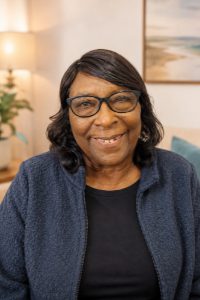
Icyline Brown
Nurse, NHS · arrived from the Caribbean, 1954
Would you like this read to you? Just press play below.
Icyline Brown’s biographical account provides a personal and largely positive perspective on her experience as a Caribbean migrant who joined the National Health Service (NHS) in the mid-1950s. Born in Jamaica in 1933, she grew up in a stable, religious, and relatively comfortable family environment, where education and faith were highly valued. From a young age, she displayed a caring nature and aspired to become a nurse. In 1954, at the age of 21 and having recently had her first child, she responded to British recruitment efforts targeting Caribbean workers to help rebuild post-war Britain, particularly in healthcare. With her mother’s support and financial assistance, she travelled by ship to England, leaving her young daughter in Jamaica, a separation that caused her significant emotional distress.
Upon arrival in late 1954, Icyline faced immediate challenges adapting to the UK’s climate, food, and living conditions, which she found harsher than those she had left behind in Jamaica. Initial accommodation was cramped and basic, involving shared facilities and reliance on public baths. She briefly tried factory work but quickly sought nursing employment, applying directly to New Cross Hospital in Wolverhampton. She was accepted as an assistant nurse (later termed auxiliary nurse), a role involving hands-on patient care such as washing, dressing, feeding, and assisting with medications on a mental health ward.
Her tenure at New Cross Hospital, beginning in 1955, lasted nine to ten years working full-time, followed by part-time work after marriage. Icyline raised 11 children in total including one from Jamaica who later joined her. She described a supportive ward environment among staff, particularly fellow Black Caribbean nurses, with whom she shared camaraderie, meals during night shifts, and mutual encouragement. Matrons and sisters, such as Sister Milliner and Matron Allen, were portrayed as fair and protective, intervening when patients made racist remarks like “take your black hands off me.” Icyline maintained that she did not let such incidents affect her deeply, attributing her resilience to her religious upbringing, and noted positive interactions with most patients, doctors, and colleagues. She emphasised the sense of family among the nursing team and her genuine enjoyment of patient care, especially with the elderly.
Conditions in the 1950s NHS, as reflected in her account, included low pay (around £4.10 for 48 hours), long hours, basic facilities (e.g., no showers, reliance on baths and coal fires), and limited career progression for auxiliary roles. She worked in mental health, where treatments like electroconvulsive therapy (ECT) were routine and striking. Opportunities for formal training as a State Enrolled Nurse (SEN) were offered but not pursued due to family commitments and pregnancy. She expressed no major regrets, valuing her family life and the satisfaction of direct caregiving over advancement, though she later reflected that fewer children might have allowed greater progression, perhaps to matron level.
Historically, Icyline’s experience aligns with the broader Windrush generation’s contributions, where thousands of Caribbean women filled critical nursing shortages in the early NHS, often in less desirable areas like mental health, geriatrics, or chronic care. Many faced systemic barriers, including limited access to higher training pathways (e.g., State Registered Nurse over SEN), lower promotion rates, and racism from patients or occasionally staff. While overt discrimination was common in the 1950s and 1960s, Icyline’s narrative stands out for its emphasis on supportive colleagues, effective managerial backing against prejudice, and personal fulfilment rather than widespread hardship or resentment. Her story highlights individual resilience, community solidarity among Black nurses, and pride in helping sustain the NHS during its formative years, even as broader accounts reveal more varied and often challenging experiences for others in similar roles. Overall, her account portrays a life of quiet dedication, shaped by faith, family, and a commitment to caring for others.