
Heritage stories
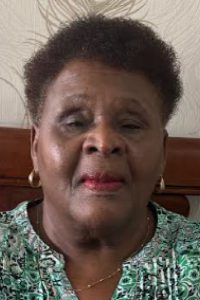
Etilda Messam
Nurse, NHS · arrived from the Caribbean, 1962
Would you like this read to you? Just press play below.
Etilda Messam was born on 14 May 1941 in Clarendon, Jamaica. In September 1961, shortly before Jamaica achieved independence from Britain, she migrated to the United Kingdom with ambitions of becoming a nurse. She had previously been rejected for enrolled nurse training in Jamaica, where she was told no one would employ her in that role. Undeterred, she applied to hospitals in England after arrival. Although she missed an interview opportunity at New Cross Hospital, she successfully secured a training place at Burton Road Hospital in Dudley in 1962, marking the start of her career as a State Enrolled Nurse (SEN) within the National Health Service also gaining her District Nurse Certificate.
Her nurse training was intensive and hands-on from the outset. Unlike contemporary university-based programmes, trainees were immediately immersed in ward work, performing tasks such as handling bedpans, sterilising equipment using autoclaves and boiling methods, and providing direct patient care with little preliminary preparation. The working conditions reflected the era: pay was low at £22 per month until a 1965 pay rise under a Labour government increased it to £44. Etilda encountered resistance from some patients who were reluctant to accept care from a Black nurse, yet she maintained focus on her professional responsibilities. Support came from fellow Caribbean nurses, who formed a close-knit group, and from an empathetic English sister tutor who provided mentorship and treated trainees with familial care.
After qualifying, Etilda worked night shifts at Burton Road Hospital, often managing heavy workloads with limited staffing. She later spent nine years at the Queen Victoria Nursing Institute, a private hospital, where she cared for affluent patients, including some celebrities. While many appreciated her care, others displayed prejudice; one actress refused treatment from her outright. Etilda responded with consistent professionalism, refusing to let such incidents derail her commitment to duty. She then transitioned to district nursing in Wolverhampton, becoming the area’s only Black district nurse at the time. In this community-based role, visiting patients in their homes, she reported experiencing noticeably less overt prejudice than she had in hospital settings.
Later in her career, while working at a new hospital in Stafford, Etilda faced more explicit racism from colleagues, including hostility from a ward sister. Broader systemic issues also affected her: grading and promotion reforms within the NHS disadvantaged many Black nurses, prompting her to advocate for fair recognition of her experience and contributions. Health problems, including chronic shoulder and foot pain linked to the physical demands of nursing, led to pressure from occupational health to retire at age 54. Despite her long service, she received no meaningful support from nursing unions, which she felt aligned with hospital management rather than staff in such cases. She left the NHS after approximately 30 years feeling undervalued and with her dignity affected, though she took pride in earlier recognition, such as a prize for kindness awarded during her time at Burton Road Hospital.
Throughout her NHS career, Etilda endured significant personal challenges, including homesickness, harsh British winters, gruelling split-shift patterns (for example, 8 a.m.–1 p.m. followed by 5–9 p.m.), and difficult commutes between Wolverhampton and Dudley. She drew strength from her faith and the Methodist principle of “Do all the good you can,” which helped sustain her through adversity and long hours. The camaraderie among Jamaican and Caribbean nurses provided essential mutual support during periods of isolation and prejudice.
In retirement, Etilda volunteered for 20 years with the Citizens Advice Bureau, where she assisted members of the public in navigating complex issues. This work helped restore her sense of purpose and self-worth after the perceived undervaluation she experienced at the end of her nursing career. Reflecting on her life, she focuses less on the hardships and more on the positive impact she had on patients’ lives. Her story reflects the broader experience of the Windrush generation: migration driven by opportunity, entry into essential NHS roles amid labour shortages, persistent racial and institutional barriers, and a lifelong dedication to service and resilience despite limited formal recognition. Etilda Messam’s contribution to the NHS was steady, compassionate, and enduring, emblematic of many Caribbean nurses who helped sustain the health service through decades of change and challenge.