
Heritage stories
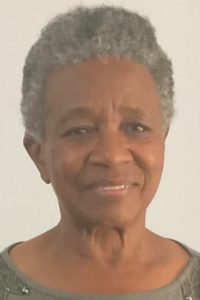
Deloris Smith
Nurse, NHS · arrived from the Caribbean, 1964
Deloris Smith was born on 14 April 1948 in Donegal, Saint Elizabeth, Jamaica. She spent her early childhood in a rural village, initially raised by her grandmother after her mother left, before moving at the age of ten to live with her father and stepmother, whom she came to regard as her true mother. Life in the village was simple but rich in community ties, governed by the disciplined values of the Church of England School in Springfield and the oversight of village elders who enforced high standards of respect, manners, and responsibility. Deloris recalled a childhood of freedom roaming the countryside with cousins and friends, a contrast she would later feel keenly in England. A brief encounter with a district nurse in her crisp white uniform and cap sparked her lifelong ambition to become a nurse, captivated by the dignity and purpose of the role.
On 11 November 1964, at the age of 16 and a half, Deloris travelled by aeroplane to England to join her father and stepmother, who had migrated the previous year. Immigration authorities initially refused her entry, questioning her relationship with her stepmother as sponsor, but her father’s persistent efforts including correspondence with Jamaican authorities secured her admission after two weeks. Arriving in London, she encountered harsh November cold, cramped tenant housing, and the strict Pentecostal rules of her father’s household, which limited her social life to church on Sundays and time spent at home. She often cried for the open freedom of Jamaica, but with no one to return to, she remained and began adjusting to her new life.
In January 1965, still too young for general nursing training, Deloris commenced an 18-month ophthalmic nursing diploma at the Eye Infirmary in Wolverhampton, guided by a midwife acquaintance, Dorothy MacDonald, and mentored by the fair-minded Matron Jones, an Irish woman. The training was demanding, combining clinical care with practical domestic tasks such as sterilising equipment and cleaning bed frames. She worked alongside students from the West Indies, Mauritius, and Ireland, forming bonds of camaraderie, though prejudice from some ward sisters persisted. Black nurses were frequently assigned undesirable tasks, such as caring for rough sleepers with infectious conditions, and ward reports were sometimes withheld to undermine their progress. Deloris and her peers countered such sabotage by memorising patient details from clipboards. A tutor refused to rank Black nurses highly, citing stereotypes about their “tropical” origins affecting speed and capability, and patients occasionally asked if she lived in trees remarks she dismissed as ignorance but recognised as painful.
After completing her ophthalmic diploma, Deloris undertook a one-year State Enrolled Nurse (SEN) course in Worcester, building on her prior experience. Despite positive reports, bias from a tutor prevented a recommendation for State Registered Nurse (SRN) training, a barrier commonly faced by Black nurses at the time. She persisted and, in 1995, completed a two-year conversion course to SRN status at New Cross Hospital. She deliberately chose not to seek promotion to ward sister, preferring direct patient care over administrative responsibilities. She found deep fulfilment in hands-on nursing, earning the trust and respect of consultants who relied on her expertise. Just before retiring from Cannock, she was formally titled a sister, though she regarded it as a formality rather than a change in her role. Her career spanned several decades, primarily in ophthalmic care, where she became a trusted and integral member of the team.
Deloris observed a marked evolution in the NHS over her career. In her early years, nursing was a vocation rooted in strict protocols, impeccable hygiene, and a willingness to go beyond duty to ensure patient comfort. She took pride in this ethos, maintaining high standards of cleanliness and care drawn from her Jamaican upbringing. In later decades, she perceived a shift towards career advancement over vocation, with declining standards in basic care such as neglected oral hygiene or unchanged wet beds often linked to reliance on agency staff and a lack of practical emphasis in training. These changes troubled her, particularly when witnessed during hospitalisations of her husband and stepmother.
Family remained central to Deloris’s life. Her stepmother, whom she called “Mum,” was a profound influence, and together they built a close-knit family that included two siblings born in Jamaica and five in England. Family gatherings were joyful, and the bond transcended the “step” relationship. Her father and stepmother later returned to Jamaica, where her father died at the age of 81. Her stepmother returned to England and died under Deloris’s care. Her brother chose to live in America but maintained close ties despite the distance.
Deloris Smith’s journey reflects the broader experience of many Caribbean nurses who joined the NHS in the 1960s and beyond. Arriving amid post-war recruitment, she faced immigration obstacles, cultural isolation, and persistent institutional racism, yet she built a long and dedicated career driven by a childhood vision of nursing. Her resilience, commitment to hands-on care, and refusal to let prejudice define her work allowed her to earn respect and make a lasting contribution to patient welfare. She affirmed that she would choose nursing again without hesitation, underscoring a vocation rooted in compassion and service. Her legacy forms part of the essential role played by African Caribbean women in shaping and sustaining the National Health Service through decades of challenge and change.