
Heritage stories
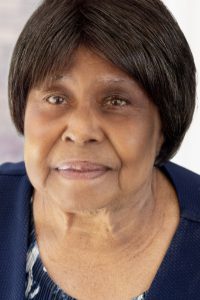
Annie Pearce
A Windrush-generation life of family loyalty, hard work, and quiet dignity in the NHS.
Would you like this read to you? Just press play below.
Annie Pearce’s biographical account details her migration from Jamaica in the 1960s and her subsequent long-term employment in domestic and kitchen roles within the National Health Service (NHS), primarily at New Cross Hospital in Wolverhampton, as part of the broader Windrush generation’s contributions to post-war Britain. Raised in Jamaica in a contented family environment, she was influenced by her grandmother’s teachings on respect and kindness, values that emphasised being “nice to people.” She started her own family there, giving birth to six children before migration, and maintained a simple, community-oriented life centred on church attendance.
The decision to move was driven by family reunification: her brother had settled in England and initially sent for her, but pregnancy delayed travel, so her husband went first. He later arranged for her to join him, and Annie flew to Heathrow at a cost of £85 — a substantial amount — leaving her children with her supportive mother-in-law. Arrival in winter brought immediate shock: the cold, smoky chimneys (mistaken for factories), and unfamiliar landscape. She travelled on to Wolverhampton to reunite with her husband, settling initially in shared rented accommodation in Whitmore Reans — a large house with three other couples, including her brother and his wife under a fair American landlord who ran a small shop. Later moves involved sharing with Indian families, whom she described as “very, very clean.” Caribbean food became accessible via Wolverhampton’s market, easing some adjustments.
Her first UK job was in a Willenhall factory operating a power press, earning just five pounds weekly insufficient for needs. Seeking better wages, she transitioned to cleaning at the Women’s Hospital Wolverhampton, then to New Cross Hospital, where she worked for 11 or 12 years in the kitchen and domestic services. Duties were physically demanding: standing over sinks washing up, cleaning surfaces, scrubbing floors with machines (no kneeling required), handling trolleys, and rotating through daily large-fridge cleaning while wearing provided gloves. She worked alongside other Jamaican women in a harmonious team that included both Black and white colleagues (such as Sisters Bailey, Maken, and Pearly, plus English or Irish staff), reporting positive interpersonal relations within the department.
Outside work, however, racism was overt and distressing: queue-jumping, name-calling (“bastard, black bastard”), and demands to “go back to your country.” Annie endured this without retaliation, attributing her restraint to upbringing in meekness and non-confrontation. Family remained central; she sent remittances home to support her children and mother-in-law, later bringing three to the UK (a daughter and son stayed in Jamaica to care for their grandmother), and had three more children born in Britain while managing shift work, including weekends.
Annie contributed to the NHS superannuation scheme for a pension, though late entry yielded a modest £84.99 monthly payment by January 2013. Opportunities for advancement were absent; she remained in domestic roles with no Christmas bonuses or recognition for Black staff, and education was sidelined by financial necessity “We needed the money, so we have to work.” Black patients’ dietary preferences (e.g., Caribbean food) were not accommodated, even with Black cooks preparing standard English meals.
Reflecting on her career, Annie expresses no regrets and would follow the same path, valuing the work beyond pay to support family and because she “loved her job.” She emphasises perseverance despite low wages, long hours (8:30 a.m. to 5:30 p.m.), and hardships, advising future generations that hard work and effort bring rewards. Her story aligns with Windrush women’s experiences: invited to fill labour gaps in the expanding NHS (often in unglamorous domestic, catering, or auxiliary positions), facing societal racism and limited progression while demonstrating resilience, family loyalty, and quiet dignity in sustaining essential services like hospital kitchens during the service’s growth in the Midlands.